An online plant shop
Succulents
& Planters
Small plants with big personalities — and the pots to suit them.
Run by Rachana Shrestha. To order, message the shop on Instagram, TikTok or WhatsApp. Tap a plant on the shelf to say hello.
Meet the plants
The collection,
up close.
Plants and planters from the shop. Filter by type, then tap one to read about it and how to look after it.
Nothing here yet.
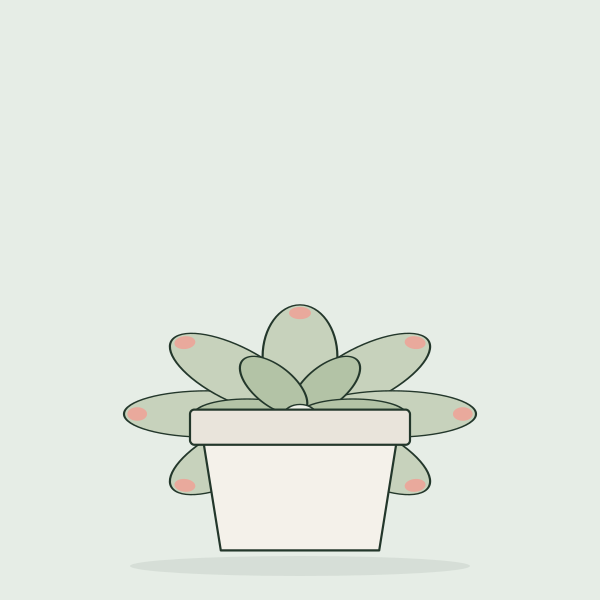
Succulent
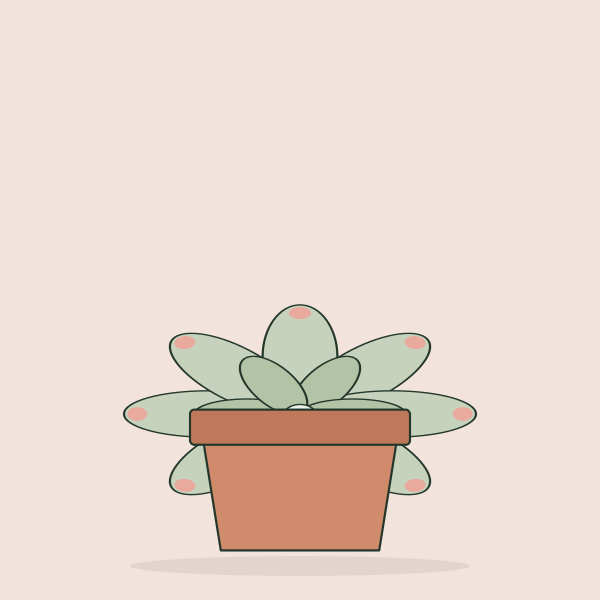
Echeveria
A rosette-forming succulent from Mexico and Central America, with fleshy leaves arranged like an open flower. Many varieties blush pink, red or purple at the tips in bright, cool weather.
How to care for it
- Light
- Bright light with 4–6 hours of sun; morning sun is ideal.
- Water
- Soak until water runs out of the drainage hole, then wait until the soil is completely dry.
- Soil
- Gritty, fast-draining cactus mix in a pot with a drainage hole.
- Where to keep
- Sunny windowsill or a covered balcony, out of the rain.
Through the year
Water every 7–14 days in spring and autumn, much less in the monsoon, and only every 3–4 weeks in winter.
Keep water out of the centre of the rosette, and pull off dried lower leaves. Generally considered safe around cats and dogs.
Succulent
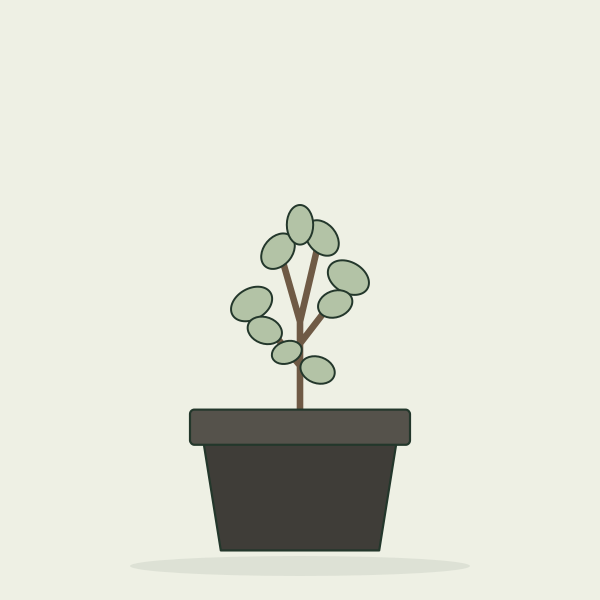
Jade plant
A slow-growing succulent shrub from South Africa with thick, glossy, coin-shaped leaves on woody stems. Over the years it grows into a small tree.
How to care for it
- Light
- Bright light; a few hours of direct sun keeps it compact.
- Water
- When the top 2–3 cm of soil is dry.
- Soil
- Fast-draining mix; a heavier pot helps it stay upright.
- Where to keep
- Bright window or a covered balcony.
Through the year
Water about every 7–10 days in spring, every 2–3 weeks in the monsoon and autumn, and every 3–4 weeks in winter.
Leaves wrinkle when it is thirsty and turn soft when overwatered. Toxic to cats and dogs if eaten.
Succulent
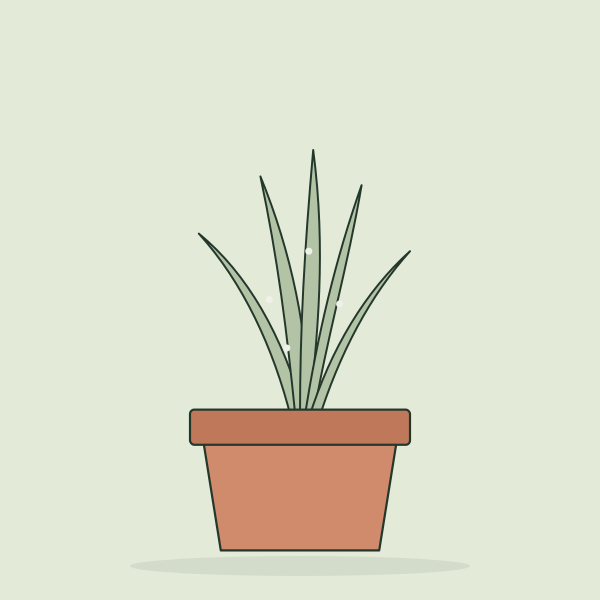
Aloe
A stemless succulent with long, tapered leaves full of gel, edged with small soft teeth. Happy plants send up offsets ("pups") around the base.
How to care for it
- Light
- Bright light with several hours of sun.
- Water
- Deeply, then let the soil dry right through.
- Soil
- Gritty cactus mix in a wide, heavy pot.
- Where to keep
- Sunny window or balcony, sheltered from rain.
Through the year
Water about every 2 weeks in spring and autumn, every 3 weeks in the monsoon, and once a month in winter.
Pups can be separated and potted on their own. Toxic to cats and dogs if eaten.
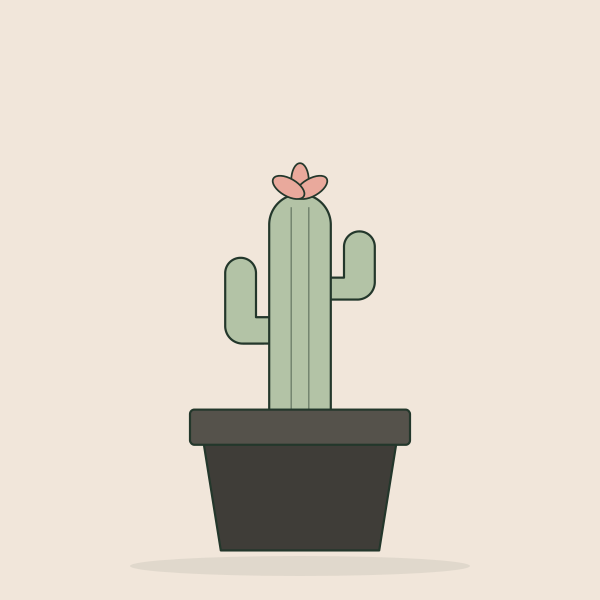
Cactus
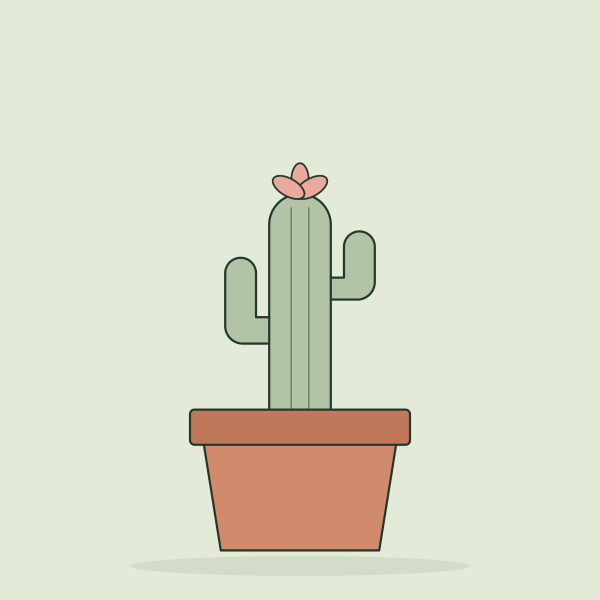
Column cactus
An upright, ribbed cactus that slowly grows into a tall column. Its spines are modified leaves that help it lose less water.
How to care for it
- Light
- Full sun: 6 hours or more.
- Water
- Sparingly; let the soil dry completely between waterings.
- Soil
- Cactus mix with extra grit or sand.
- Where to keep
- The sunniest spot you have: south- or west-facing.
Through the year
Water every 10–14 days in spring, every 3–4 weeks in the monsoon, every 2–3 weeks in autumn, and very little in winter.
Handle with gloves or folded paper. Turn the pot now and then so it grows straight.
Trailing
String of pearls
A trailing succulent with round, bead-like leaves on thread-thin stems. Each "pearl" stores water, and the strands can grow a metre long.
How to care for it
- Light
- Bright, indirect light with a little gentle morning sun.
- Water
- Lightly, once the soil is dry; slightly wrinkled pearls mean it is thirsty.
- Soil
- Fast-draining mix in a shallow pot.
- Where to keep
- A hanging pot or high shelf near a bright window.
Through the year
Water about every 7 days in spring, every 2–3 weeks in the monsoon, every 10 days in autumn and every 2–3 weeks in winter.
The most likely to rot if overwatered. Toxic to pets if eaten, so let it trail from somewhere high.
Planter
Terracotta cylinder
An unglazed terracotta planter. Terracotta is porous, so the soil dries out faster, which is just what succulents and cacti like.
About this planter
- Size
- [Diameter × height]
- Drainage
- [Yes / no drainage hole]
- Good for
- Cacti, aloe and echeveria.
- Price
- [Price]
Good to know
In the monsoon, terracotta helps damp soil dry out between waterings.
Soak a new terracotta pot in water before planting, and let it dry.
Planter
White tapered planter
A glazed ceramic planter in soft white that tapers to a narrow base.
About this planter
- Size
- [Diameter × height]
- Drainage
- [Yes / no drainage hole]
- Good for
- Jade plant and echeveria.
- Price
- [Price]
Good to know
Glazed pots hold moisture longer than terracotta, so water a little less often.
If there is no drainage hole, use it as a cover pot around a plastic nursery pot.
Planter
Charcoal bowl
A wide, shallow bowl in charcoal, made for a group planting of small succulents.
About this planter
- Size
- [Diameter × height]
- Drainage
- [Yes / no drainage hole]
- Good for
- Small rosettes and mixed succulent arrangements.
- Price
- [Price]
Good to know
Shallow soil dries quickly in spring; check it more often then.
Group plants with similar light and water needs, and finish with a layer of grit.
Planter
Planter trio
Three planters in terracotta, white and charcoal, sized to sit together on a sill or shelf.
About this planter
- Sizes
- [Sizes]
- Drainage
- [Yes / no drainage holes]
- Good for
- A small collection on one windowsill.
- Price
- [Price]
Good to know
Pair the terracotta pot with the thirstiest plant in the set.
Place the tallest plant in the back pot so all three get light.
Care through the year
A little care,
season by season.
General guidance for Nepal’s seasons. Every spot is different, so always check the soil before watering: if it is still damp, wait.
Days warm up quickly and the sun gets strong, with pre-monsoon heat in May. Plants wake up and start growing.
- Where to keep
- A sunny windowsill or an open balcony. Plants that spent the winter indoors can go back outside, a few hours more each day.
- Sunlight
- Four to six hours for most succulents; cacti and aloe enjoy six or more. Morning sun is the gentlest.
- Water
- Soak until water runs out of the drainage hole, then wait until the soil is completely dry: roughly every 7–14 days. Trailing plants prefer a lighter drink a little more often.
- Shade
- From May, give afternoon shade during hot spells. Pale, brown or scorched patches mean too much sun.
- Watch for
- Stretching or leaning toward the window means it needs more light. Fresh growth means it is time for a little diluted cactus feed once a month.
- Tip
- The best time to repot, into fresh, gritty soil and a pot just a little wider than the roots.
Warm, humid and often cloudy, with heavy rain. The main risk is wet roots and rot, not thirst.
- Where to keep
- Under cover: a bright window or a covered balcony where the rain can’t reach the pots.
- Sunlight
- As much as you can find. Cloudy days are dim, so move plants to your brightest spot.
- Water
- Much less: only when the soil is completely dry, roughly every 2–3 weeks (cacti every 3–4). Give a smaller drink and empty the saucers.
- Shade
- Rain cover matters more than shade. On the occasional hot, sunny day, light shade at midday is enough.
- Watch for
- Soft, yellow or see-through leaves and dark stems are signs of rot from too much water. Keep air moving around the pots.
- Tip
- Terracotta pots and gritty soil help the soil dry out between waterings.
Clear skies, mild days and cooler nights. Many succulents colour up beautifully.
- Where to keep
- Back to the sunniest spots: an open balcony or a bright windowsill.
- Sunlight
- Five to six hours or more. Clear skies make this the best season for growth and colour.
- Water
- Soak when the soil is dry, roughly every 10–14 days, a little less often as the nights cool.
- Shade
- Rarely needed. Gentle-light plants like string of pearls still prefer shelter from strong afternoon sun.
- Watch for
- Colder nights from November: start planning a sunny spot indoors for winter.
- Tip
- Cool, bright days bring out red and pink tips on many succulents.
Sunny days but cold nights, with frost possible in the valleys. Most succulents rest.
- Where to keep
- Your sunniest indoor window. Bring outdoor pots in on frosty nights, and keep them away from heaters and cold glass after dark.
- Sunlight
- As much as possible. Days are short, so every hour of sun counts.
- Water
- Very little: every 3–4 weeks for most succulents, once a month or less for cacti. Water in the morning, so the soil isn’t cold and wet overnight.
- Shade
- Not needed.
- Watch for
- Slightly wrinkled leaves are normal while plants rest. Soft, mushy leaves mean too much water or cold.
- Tip
- Most succulents rest now: no feeding until spring.
Plant quiz
Which succulent
suits you?
Where will it live?
How much direct sun does that spot get?
How often do you remember to water?
Who shares the space?
How should it grow?
Pick a mood.
You’re a Rosette.
Calm, neat and quietly beautiful. An echeveria rewards a sunny spot and a light touch with the watering can.
- Light
- Bright light, 4–6 h of sun
- Water
- Soak, then let it dry fully
- Where
- Sunny sill or covered balcony
Generally considered safe around cats and dogs.
Also a good match:
You’re a Column cactus.
Independent and sun-loving, and perfectly happy to be left alone for a while.
- Light
- Full sun, 6 h or more
- Water
- Sparingly; very little in winter
- Where
- Your sunniest window
Not toxic, but the spines are sharp: keep it out of reach.
Also a good match:
You’re a Jade plant.
Steady and generous: a small tree that grows along with you, and forgives the odd extra drink.
- Light
- Bright light, some sun
- Water
- When the top soil is dry
- Where
- Bright window or balcony
Toxic to cats and dogs if eaten; a high spot works well.
Also a good match:
You’re a String of pearls.
Playful and full of movement. Give it a high shelf or a hanging pot to spill from.
- Light
- Bright, gentle light
- Water
- A light drink when dry
- Where
- High shelf near a window
Toxic to pets if eaten; let it trail from somewhere high.
Also a good match:
You’re an Aloe.
Bold and spiky on the outside, soothing within, and happy in strong sun.
- Light
- Bright light, several hours of sun
- Water
- Deeply, but not often
- Where
- Sunny window or balcony
Toxic to cats and dogs if eaten.
Also a good match:
Grown by an architect.
Succulents & Planters is run by Rachana Shrestha, an architect and urban planner who plans at every scale — right down to the windowsill.
Meet the architectOrder & say hello
Orders, questions,
plant chat.
To order, send the shop a message on Instagram, TikTok or WhatsApp with the plant you’d like. For anything else, call or write.